
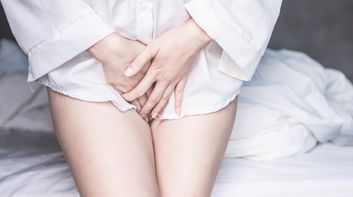
For some women, these symptoms are related to changing estrogen levels during perimenopause and menopause. But they are not always caused by menopause.
Vaginal itching and burning can also be symptoms of an infection, skin condition or irritation from products used around the intimate area. That is why it is important to understand what may be causing the symptoms before choosing a treatment.
Can menopause cause vaginal dryness, itching and burning?
Yes. One of the changes that can occur during perimenopause and menopause is a reduction in estrogen’s effect on the tissues of the vagina, vulva and urinary tract.
Estrogen helps maintain the thickness, elasticity and moisture of vaginal tissues. When estrogen levels fluctuate and decline, these tissues may gradually become thinner, less elastic and more prone to dryness and irritation.
You may notice:
- Vaginal dryness or reduced natural lubrication
- Itching or burning around the vagina or vulva
- Discomfort during sexual activity
- Pain or a feeling of tightness during penetration
- Small tears or irritation around the vaginal opening
- Burning when you pass urine
- A need to urinate more frequently or urgently
These symptoms may begin during perimenopause, even before your periods stop.
What is genitourinary syndrome of menopause (GSM)?
The collection of genital, sexual and urinary symptoms associated with declining sex hormone levels around menopause is called genitourinary syndrome of menopause (GSM).
GSM is a broader term than vaginal dryness or vaginal atrophy. It includes changes affecting the vulva, vagina, urethra and bladder.
It may cause vaginal dryness, itching, burning, pain during sex, urinary urgency or recurrent urinary tract infections.
Unlike hot flashes, which often improve over time after menopause, GSM can persist and may gradually become more noticeable without treatment. Symptoms can also return if treatment is stopped. [1,2]
GSM is common, but it is not something you have to simply accept as a normal part of ageing.
Is it definitely menopause, or could it be something else?
Not necessarily every episode of vaginal itching or burning after 40 is caused by menopause.
Other conditions can produce similar symptoms, and some may require a completely different treatment.
1. Vaginal yeast infection
A yeast infection can cause intense itching, irritation, redness and burning around the vulva and vagina.
Some women also experience thick, white vaginal discharge, although discharge may not always be present.
Yeast infections can occur at any age. The symptoms may resemble menopause-related irritation, so it is important not to assume that every episode of itching is a yeast infection — or that it is menopause. [3]
2. Bacterial vaginosis or another vaginal infection
Changes in vaginal discharge, an unusual or fishy odour, irritation or discomfort may sometimes be associated with bacterial vaginosis or another infection.
Some sexually transmitted infections can also cause vaginal or vulvar symptoms.
If you notice a change in discharge, an unusual odour, pain or symptoms that persist, consult your gynaecologist rather than repeatedly treating yourself.
3. Irritation or allergy from intimate hygiene products
The skin around the vulva is sensitive.
Scented soaps, intimate washes, vaginal deodorants, fragranced sanitary products, wipes, detergents and some lubricants can irritate the area.
This may cause itching, redness, dryness or a burning sensation.
Using more products to relieve the symptoms can sometimes make the irritation worse.
4. Vulvar skin conditions
Certain skin conditions, such as lichen sclerosus or eczema, can affect the vulva and cause persistent itching, irritation, soreness or changes in the skin.
These conditions are not simply caused by menopause and may require specific treatment.
If itching is persistent, particularly if you notice white patches, cracks, sores or changes in the appearance of the skin, a medical examination is important.
What can you do if you have vaginal dryness after 40?
The right treatment depends on the cause and severity of your symptoms.
If the symptoms are related to menopause, several options can help.
1. Use a vaginal moisturiser regularly
Vaginal moisturisers are designed to help maintain moisture in vaginal tissues.
Unlike lubricants, which are used during sexual activity to reduce friction, moisturisers are generally used regularly, often every few days, depending on the product.
They may be helpful if you experience dryness or irritation even when you are not sexually active.
Choose a product designed specifically for vaginal use. Products with unsuitable pH or high osmolality may irritate sensitive vaginal tissues. [1]
2. Use a lubricant during sex
If dryness causes discomfort during sexual activity, a lubricant can help reduce friction.
Lubricants may be water-based, silicone-based or oil-based.
Choose one that feels comfortable and does not cause irritation. If you use condoms, check that the lubricant is compatible with the type of condom you use.
A lubricant can make sexual activity more comfortable, but it does not treat the underlying tissue changes associated with GSM.
3. Consider vaginal estrogen
For women whose symptoms are caused by menopause-related changes, low-dose vaginal estrogen is one of the most effective treatment options.
It is available in different forms, including creams, vaginal tablets, pessaries and rings, depending on what is available and appropriate.
Vaginal estrogen helps improve the condition of the vaginal tissues and can relieve dryness, irritation and discomfort during sex. It may also help with some urinary symptoms associated with GSM.
Unlike systemic HRT, vaginal estrogen is used locally. Only a small amount is absorbed into the bloodstream compared with systemic hormone therapy. [2]
Your doctor can help determine whether vaginal estrogen is suitable for you, particularly if you have a history of breast cancer or are taking medication such as an aromatase inhibitor.
4. Do not assume systemic HRT will resolve every vaginal symptom
Some women use systemic HRT to manage symptoms such as hot flashes, night sweats and sleep disturbances.
Systemic HRT may improve vaginal symptoms for some women, but vaginal dryness or irritation can persist even when other menopause symptoms are well controlled.
In such cases, your doctor may recommend adding a local vaginal treatment.
5. Avoid products that may irritate the area
If you are experiencing vaginal or vulvar irritation, consider simplifying your intimate hygiene routine.
You can:
- Wash the external vulvar area gently with water
- Avoid scented intimate washes and vaginal deodorants
- Avoid douching or washing inside the vagina
- Avoid fragranced wipes and products that cause stinging
- Wear comfortable, breathable underwear
- Stop using any product that seems to worsen the irritation
The vagina does not need to be cleaned internally. Avoiding unnecessary products can help reduce irritation.
Does vaginal dryness go away on its own?
Menopause-related vaginal dryness may not resolve on its own.
GSM is a chronic condition associated with changes in the genitourinary tissues. Symptoms may persist or become more noticeable over time, although their severity varies between women.
Treatment can help improve comfort and quality of life. Some women may need ongoing treatment to keep symptoms under control.
If symptoms return after stopping treatment, speak to your doctor about whether you need to restart it or consider another option.
When should you see a gynaecologist?
You should seek medical advice if you experience:
- Persistent or recurrent vaginal itching or burning
- Vaginal dryness that affects daily comfort or sexual activity
- Pain during sex
- Unusual vaginal discharge or an unpleasant odour
- Burning when passing urine or recurrent urinary symptoms
- Cracks, sores, white patches or changes in vulvar skin
- Bleeding after sex or any bleeding after menopause
If you have vaginal symptoms for the first time, or if symptoms do not improve with treatment, it is better to get an accurate diagnosis than to keep trying different over-the-counter products.
The bottom line
Vaginal dryness, itching and burning after 40 can be related to perimenopause or menopause. These symptoms may be part of genitourinary syndrome of menopause, which affects the vaginal, vulvar and urinary tissues.
But menopause is not the only possible cause.
The most important step is to identify what is causing your symptoms. If they are menopause-related, vaginal moisturisers, lubricants and local vaginal estrogen can offer effective relief.
You do not have to live with persistent vaginal discomfort simply because you are approaching menopause.
If you are experiencing dryness, itching, burning or discomfort, consult Dr. Ankita Mittal at Adrita Menopause Wellness for an assessment and treatment tailored to your symptoms.
References
1. Indian Menopause Society. Clinical Practice Guidelines for Menopause: An Executive Summary and Recommendations: Indian Menopause Society 2026. Journal of Mid-life Health. 2026;17(Suppl 1):S12–S116. doi:10.4103/jmh.jmh_302_25.
2. National Institute for Health and Care Excellence (NICE). Menopause: identification and management. NICE guideline NG23. Recommendations on genitourinary symptoms associated with menopause.
3. American College of Obstetricians and Gynecologists (ACOG). Vaginitis. Patient guidance on vaginal infections, symptoms and treatment.


