
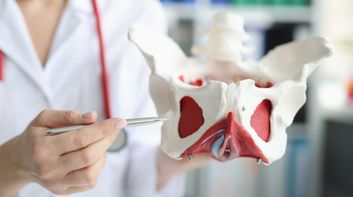
These symptoms can be unsettling. Some women may feel embarrassed to talk about them, while others assume they are simply a part of ageing or something that happens after childbirth.
One possible cause is pelvic organ prolapse (POP).
Pelvic organ prolapse is common, particularly as women get older. It can affect women who have had children as well as those who have never given birth.
The good news is that prolapse is treatable. Not every woman needs surgery, and there are several ways to manage symptoms depending on the type and severity of prolapse.
What is pelvic organ prolapse?
The pelvic organs — including the bladder, uterus and rectum — are supported by muscles, ligaments and connective tissues in the pelvis.
These supporting structures are collectively part of the pelvic floor.
When the pelvic floor and its supporting tissues become weakened or stretched, one or more pelvic organs may descend from their usual position and bulge into the vagina. This is called pelvic organ prolapse.
Depending on which part of the pelvic support system is affected, prolapse may involve:
- The bladder: The bladder bulges into the front wall of the vagina. This is commonly called a bladder prolapse or cystocele.
- The uterus: The uterus descends into the vagina. In more advanced cases, it may protrude through the vaginal opening.
- The rectum: The rectum bulges into the back wall of the vagina. This is called a rectocele.
- The top of the vagina: The upper part of the vagina may descend, particularly after a hysterectomy.
More than one type of prolapse can occur at the same time.
What are the symptoms of pelvic organ prolapse?
The symptoms depend on the type and degree of prolapse. Some women have very mild prolapse and do not experience any symptoms.
Others may notice:
A bulge or lump in the vagina
You may feel or see a bulge inside the vagina or near the vaginal opening.
Some women describe it as feeling like a tampon is slipping out or as though something is coming down.
Heaviness or pressure in the pelvis
You may experience a feeling of fullness, dragging or pressure in the vagina or lower pelvis.
This sensation may become more noticeable after standing, walking or being physically active for a long time. It may improve when you lie down.
Bladder symptoms
Depending on the type of prolapse, you may notice:
- Needing to urinate more frequently
- A sudden urge to pass urine
- Difficulty emptying your bladder completely
- Urine leakage when coughing, sneezing or exercising
Bowel symptoms
Some women experience constipation, difficulty passing stools or a sensation that the bowel has not emptied completely.
Discomfort during sex
Prolapse may cause discomfort, pressure or a change in sensation during sexual activity.
Not every bladder, bowel or sexual symptom is necessarily caused by prolapse. Your doctor can help determine whether the symptoms are related.
Why does pelvic organ prolapse happen?
Pelvic organ prolapse usually develops when the muscles and connective tissues supporting the pelvic organs become weakened or stretched.
Several factors can contribute.
Pregnancy and childbirth
Pregnancy and vaginal childbirth can stretch and strain the pelvic floor and its supporting tissues.
The risk may be higher after multiple vaginal births, prolonged labour or difficult deliveries.
However, pelvic organ prolapse can also occur in women who have never given birth vaginally.
Ageing and menopause
As women get older, changes in muscle strength and connective tissue can affect pelvic support.
The decline in estrogen around menopause can also affect the tissues of the vagina and pelvic region.
Menopause is not the sole cause of prolapse, but it may contribute to changes in pelvic tissue and symptoms.
Chronic constipation and straining
Repeated straining during bowel movements places pressure on the pelvic floor.
If constipation is persistent, it can contribute to pelvic floor problems or aggravate existing prolapse.
Chronic coughing
A long-standing cough repeatedly increases pressure within the abdomen.
If you have a chronic cough, it is important to identify and treat its cause.
Other contributing factors
Pelvic organ prolapse may also be associated with:
- Being overweight
- Repeated heavy lifting
- Previous pelvic surgery
- A family or personal tendency towards weaker connective tissue
Often, several factors contribute rather than one single cause. [1,2]
Does pelvic organ prolapse get worse after menopause?
Prolapse can become more noticeable with age, and some women develop symptoms during or after menopause.
However, prolapse does not necessarily progress rapidly or become severe in every woman.
The degree of prolapse and its symptoms can vary. Some women remain stable for years, while others may notice increasing pressure or a more visible bulge.
If you have symptoms, an assessment can help determine the type and extent of prolapse and whether treatment would be useful.
How is pelvic organ prolapse diagnosed?
Pelvic organ prolapse is usually diagnosed through a gynaecological examination.
Your doctor will ask about your symptoms, when they occur and how they affect your daily life.
During the examination, the doctor may assess the vaginal walls and pelvic organs to identify which area is affected and how far it has descended.
You may be asked to cough or bear down during the examination to make the prolapse more visible.
In some cases, additional tests may be recommended, particularly if you have difficulty emptying your bladder, urinary leakage or other symptoms that need further evaluation.
You can ask for a chaperone during the examination and discuss any concerns you may have beforehand.
Does pelvic organ prolapse always need treatment?
No.
If the prolapse is mild and does not cause discomfort or affect your daily life, you may not need treatment.
However, if you experience a bulge, pelvic pressure, bladder or bowel symptoms, or discomfort during sex, treatment may help improve your quality of life.
The choice of treatment depends on:
- The type and degree of prolapse
- How much it affects your daily activities
- Your general health
- Whether you have completed your family
- Your preferences and treatment goals
There is no single treatment that is right for every woman.
What are the treatment options for pelvic organ prolapse?
Treatment may involve pelvic floor physiotherapy, lifestyle changes, a vaginal pessary or surgery.
1. Pelvic floor muscle training
Pelvic floor muscle training helps strengthen and improve the function of the muscles that support the pelvic organs.
A specialist women’s health physiotherapist can assess your pelvic floor and guide you through exercises appropriate for your condition.
For women with mild or moderate symptomatic prolapse, supervised pelvic floor muscle training may be recommended as an initial treatment.
It can help improve symptoms, although it may not completely reverse the prolapse. [3]
It is important to learn the exercises correctly. Simply tightening the wrong muscles or repeatedly bearing down can be ineffective and may aggravate symptoms.
2. Vaginal pessary
A vaginal pessary is a removable device placed inside the vagina to support the pelvic organs.
Pessaries come in different shapes and sizes. A ring pessary is commonly used, although other types may be recommended depending on the prolapse.
A pessary may be helpful if:
- You want to manage symptoms without surgery
- You are not ready for surgery
- You have a medical condition that makes surgery less suitable
- You want support while deciding on further treatment
Finding the right pessary may require more than one fitting.
Pessaries need appropriate follow-up and care. Your doctor will explain how often it should be checked or removed and what symptoms to look out for.
3. Lifestyle changes
Certain lifestyle measures can help reduce pressure on the pelvic floor and manage symptoms.
These may include:
- Treating constipation and avoiding repeated straining
- Maintaining a healthy weight, if appropriate
- Managing a chronic cough
- Avoiding heavy lifting that aggravates symptoms
- Learning how to lift safely
- Continuing physical activity that you can tolerate comfortably
You do not need to stop all exercise because you have prolapse. The right activity depends on your symptoms and the type of exercise.
If an activity consistently increases pelvic pressure or the sensation of a bulge, discuss it with your doctor or physiotherapist.
4. Vaginal estrogen after menopause
If you are postmenopausal and also have vaginal dryness, irritation or other symptoms related to low estrogen, your doctor may recommend vaginal estrogen.
Vaginal estrogen can improve the condition of the vaginal tissues and help relieve genitourinary symptoms associated with menopause.
It does not lift or correct the prolapse itself, but it may help with associated vaginal discomfort and tissue changes. [3]
5. Surgery
Surgery may be considered if prolapse symptoms are significant and other treatments have not provided sufficient relief, or if you prefer a surgical approach after discussing the options.
The type of surgery depends on which organs are affected, the severity of the prolapse, your general health and your preferences.
Your doctor will discuss the benefits, risks, recovery and possibility of recurrence.
Surgery is not the only option for pelvic organ prolapse. Many women manage their symptoms with non-surgical treatment.
Can pelvic organ prolapse be prevented?
There is no guaranteed way to prevent prolapse, particularly when factors such as childbirth, ageing and connective tissue strength are involved.
However, looking after your pelvic floor and reducing repeated pressure on it may help support pelvic health.
You can:
- Avoid chronic constipation and straining
- Seek treatment for a persistent cough
- Maintain a healthy weight, if appropriate
- Learn pelvic floor muscle exercises
- Avoid repeated heavy lifting if it aggravates symptoms
- Seek help early if you notice a bulge or persistent pelvic pressure
If you have already developed prolapse, these measures may help manage symptoms, but they are not a substitute for an assessment when symptoms are present.
When should you see a gynaecologist?
Consult your gynaecologist if you notice:
- A bulge or lump in or around your vagina
- Persistent heaviness or pressure in your pelvis
- Difficulty emptying your bladder
- Recurrent urinary symptoms
- Difficulty passing stools
- Discomfort during sexual activity
- Symptoms that are affecting your daily life
Seek prompt medical attention if you are unable to pass urine, have severe pain or notice significant bleeding.
The bottom line
Pelvic organ prolapse occurs when the supporting structures of the pelvic floor weaken or stretch, allowing one or more pelvic organs to bulge into the vagina.
It may cause a vaginal bulge, heaviness, pressure, bladder or bowel symptoms, or discomfort during sex. But some women have prolapse without any symptoms.
A bulge or heaviness in your vagina is not something you need to feel embarrassed about or simply put up with.
An examination can help identify whether you have prolapse and understand which treatment options may be suitable.
If you are experiencing pelvic pressure, a vaginal bulge or other symptoms, consult Dr. Ankita Mittal at Adrita Menopause Wellness for an individualised assessment and guidance.
References
1. Royal College of Obstetricians and Gynaecologists (RCOG). Pelvic Organ Prolapse. Patient information.
2. NHS. Pelvic organ prolapse. Patient information.
3. National Institute for Health and Care Excellence (NICE). Urinary incontinence and pelvic organ prolapse in women: management. NICE guideline NG123. Recommendations on pelvic floor muscle training, pessaries and vaginal estrogen.


