
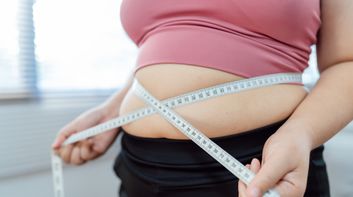
It can be frustrating, especially when the usual advice is to eat less and exercise more.
But belly fat during perimenopause is not simply a matter of willpower. Hormonal changes can influence where your body stores fat. Ageing, changes in muscle mass, sleep, activity levels and other metabolic factors also play a role.
Understanding what is happening can help you focus on what actually works, rather than chasing quick fixes.
Why does belly fat increase during perimenopause?
There are several reasons why abdominal fat may become more noticeable during this stage of life.
1. Changing estrogen levels can affect fat distribution
Estrogen plays a role in regulating body fat distribution.
Before menopause, women tend to store a greater proportion of their body fat around the hips and thighs. As estrogen levels change and decline during the menopausal transition, fat distribution can shift towards the abdomen.
This may include an increase in visceral fat — the fat stored deep inside the abdomen, around internal organs.
Research suggests that the menopausal transition can contribute to this redistribution of fat, independently of the effects of chronological ageing. [1,2]
2. Ageing can make weight management more difficult
Menopause and ageing happen around the same time, but they are not the same process.
As we get older, we may gradually lose muscle mass and become less physically active. Our total energy expenditure may also decrease.
This means that the amount of food and activity that previously helped maintain a stable weight may no longer have the same effect.
Midlife weight gain is influenced largely by ageing and lifestyle factors. Menopause has a more specific influence on where fat is stored, particularly around the abdomen. [1,2]
3. Muscle mass may decline
Muscle is important for strength, mobility and metabolic health.
During midlife, changes associated with ageing and the menopausal transition can contribute to a decline in muscle mass and strength. If muscle is lost and physical activity decreases, maintaining body composition can become more challenging.
This is one reason why strength training becomes particularly important during perimenopause and beyond.
4. Sleep and menopause symptoms can affect your routine
Hot flashes, night sweats and sleep disturbances are common during perimenopause.
When sleep is repeatedly interrupted, it can become harder to maintain regular physical activity, prepare balanced meals or manage hunger and energy levels.
Sleep problems do not automatically cause belly fat, but they can make healthy habits more difficult to sustain.
If night sweats or other menopause symptoms are affecting your sleep, addressing them is an important part of looking after your health during this stage.
Is belly fat during perimenopause harmful?
Not all abdominal fat is the same.
Subcutaneous fat lies just beneath the skin. Visceral fat is stored deeper inside the abdomen and surrounds internal organs.
An increase in visceral fat is associated with a higher risk of insulin resistance, type 2 diabetes, high blood pressure, abnormal cholesterol levels and cardiovascular disease.
This is why abdominal fat matters beyond appearance.
A woman can have a body mass index (BMI) within the usual healthy range and still have an increased amount of abdominal fat. Waist circumference, alongside other health measures, can help provide a more complete picture of metabolic risk.
The goal is not to achieve a particular waist size or body shape. It is to support a healthy body composition and reduce health risks where possible.
What actually helps with belly fat during perimenopause?
There is no single food, exercise or supplement that specifically removes abdominal fat.
The most effective approach combines nutrition, physical activity, muscle-strengthening exercise and habits that support long-term health.
1. Include strength training in your routine
If you are not already doing resistance training, this is a good time to start.
Strength training helps preserve and build muscle, supports bone health and improves physical function. It can also help improve body composition.
You do not need to begin with heavy weights or an intense gym programme.
Depending on your fitness and health, you can start with:
- Bodyweight exercises
- Resistance bands
- Dumbbells or weight machines
- Supervised strength-training sessions
Aim to include muscle-strengthening activity at least twice a week, gradually increasing the intensity as your strength improves.
2. Combine strength training with aerobic activity
Walking, cycling, swimming and other forms of aerobic exercise support cardiovascular health and help increase energy expenditure.
For most adults, a useful target is at least 150 minutes of moderate-intensity aerobic activity per week, alongside muscle-strengthening exercise on two or more days.
If you are currently inactive, begin with shorter sessions and build up gradually.
The combination of aerobic activity and resistance training is more useful for overall health and body composition than relying on either one alone.
3. Eat balanced meals with adequate protein
You do not need to follow a restrictive diet to support your health during perimenopause.
Instead, focus on a balanced eating pattern that provides adequate protein, fibre and essential nutrients.
Include protein-rich foods such as:
- Dal, beans and other pulses
- Eggs
- Milk, curd and paneer
- Fish or chicken, if you eat them
- Tofu and other soy foods
Protein helps support muscle maintenance, particularly when combined with resistance training.
Also include vegetables, fruits, whole grains, nuts and seeds. These provide fibre and a range of nutrients that support overall metabolic health.
The aim is not to eliminate carbohydrates or fats. It is to build a sustainable eating pattern that meets your nutritional needs and supports your health.
4. Be mindful of portions and highly processed foods
Even nutritious foods contribute energy, and portion sizes can influence weight management.
If you are gaining weight and would like to reduce it, a modest, sustainable adjustment to your overall food intake may help.
You can start by:
- Eating regular, balanced meals
- Paying attention to portion sizes
- Reducing frequent sugary drinks
- Limiting foods that are high in added sugar or heavily processed
- Avoiding habitual snacking when you are not hungry
You do not need to cut out entire food groups or follow a very low-calorie diet.
Severe calorie restriction can make it harder to preserve muscle, especially if protein intake and strength training are inadequate.
5. Prioritise sleep and address menopause symptoms
If you are waking repeatedly because of hot flashes, night sweats or other symptoms, do not dismiss them as something you simply have to tolerate.
Poor sleep can affect your energy, mood and ability to maintain regular activity.
Discuss persistent sleep problems or troublesome menopause symptoms with your doctor. Managing these symptoms may make it easier to maintain the lifestyle habits that support your health.
6. Give your body time
Changes in body composition happen gradually.
You may notice improvements in strength, stamina, sleep or waist circumference before you see a significant change on the weighing scale.
Try not to judge your progress by daily weight fluctuations or by comparing your body with how it looked in your twenties or thirties.
A sustainable approach is more likely to support long-term health than repeatedly starting and abandoning restrictive diets.
Can abdominal exercises reduce belly fat?
Exercises such as planks, crunches and other core-strengthening movements can improve abdominal muscle strength and stability.
However, they do not selectively burn fat from your stomach.
Fat loss cannot be directed to one specific area of the body through targeted exercises. If overall body fat decreases, abdominal fat may also decrease, but the amount and pattern vary between individuals.
Core exercises are still valuable — just not as a standalone solution for belly fat.
Does HRT help with belly fat?
Menopausal hormone therapy (MHT), also commonly called hormone replacement therapy (HRT), is used to manage menopause symptoms in women for whom it is appropriate.
Some evidence suggests that estrogen-based hormone therapy may help reduce the extent of changes in fat distribution during menopause. However, its effects on body weight are limited, and it is not recommended as a treatment for weight loss or belly fat alone. [1,2]
If you are experiencing hot flashes, night sweats, sleep disturbances or other menopause symptoms, speak to your doctor about whether HRT may be suitable for you.
The decision should be based on your symptoms, medical history, individual benefits and risks — not on the expectation that HRT will reduce abdominal fat.
When should you speak to a doctor?
If you are concerned about weight gain or a change in your waistline during perimenopause, a consultation can help you understand what may be contributing to it.
Your doctor may assess:
- Weight and waist circumference
- Blood pressure
- Blood glucose or HbA1c, where appropriate
- Cholesterol and other lipid levels
- Menopause symptoms and sleep
- Other medical conditions or medications that may affect weight
If you are gaining weight rapidly or experiencing persistent abdominal swelling, pain or other new symptoms, do not assume that it is simply menopause-related belly fat. Seek medical assessment.
The bottom line
Belly fat can become more noticeable during perimenopause because changing estrogen levels influence fat distribution. Ageing, muscle loss, sleep disturbances and lifestyle factors also play a role.
You cannot completely control where your body stores fat, and you cannot spot-reduce it through abdominal exercises.
But you can support your health and body composition through regular strength training, aerobic activity, balanced nutrition, adequate protein, good sleep and appropriate medical care.
Perimenopause is not a reason to give up on your health — or to punish your body with restrictive diets. It is a time to understand what is changing and respond with the right support.
If you are experiencing changes in your weight, body composition or menopause symptoms, consult Dr. Ankita Mittal at Adrita Menopause Wellness for an individualised assessment and guidance.
References
1. Indian Menopause Society. Clinical Practice Guidelines for Menopause: An Executive Summary and Recommendations: Indian Menopause Society 2026. Journal of Mid-life Health. 2026;17(Suppl 1):S12–S116. doi:10.4103/jmh.jmh_302_25.
2. International Menopause Society. IMS recommendations and key messages on women’s midlife health and menopause. 2025. doi:10.1080/13697137.2025.2585487.


