
Hysterectomy
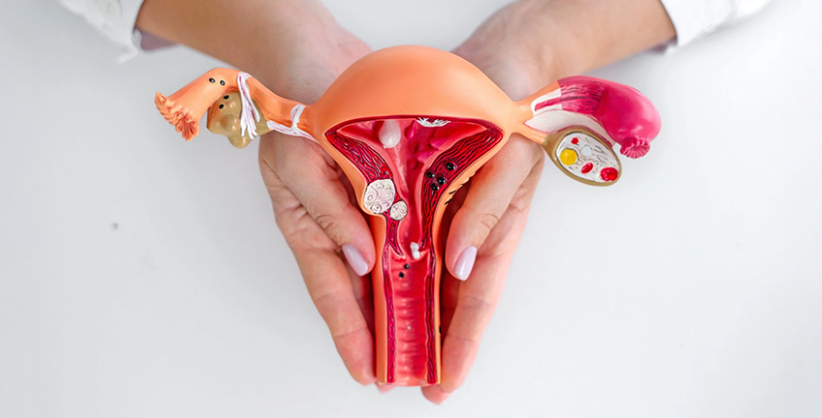
Hysterectomy
A Hysterectomy is a surgical procedure that removes your uterus. It may also involve removal of cervix, ovaries, Fallopian tubes, and other surrounding structures – referred to as a Total Hysterectomy. There are different reasons why you may need to get a Hysterectomy, including to treat abnormal bleeding, uterine prolapse, fibroids and cancer. Once your uterus is removed, you stop having periods, and cannot get pregnant. Recovery from a Hysterectomy procedure varies depending on what kind of surgery you had, but most patients recover in four to six weeks.
Understanding Hysterectomy
A hysterectomy is a surgical procedure that involves the removal of the uterus, and sometimes surrounding structures like the cervix, ovaries, or Fallopian tubes. Across the world, this procedure has helped countless women find lasting relief from chronic conditions like severe fibroids, abnormal bleeding, endometriosis, or uterine prolapse. A hysterectomy isn’t just a medical intervention—it is often a turning point that restores quality of life, comfort, and peace of mind.
A hysterectomy, however, is a major decision and never a one-size-fits-all solution. We conduct a thorough, compassionate clinical assessment to explore all alternatives and evaluate whether surgery is truly the right path for you. Normally, we discuss all available surgical approaches—from minimally invasive laparoscopic options to traditional techniques—ensuring you feel fully informed, supported, and cared for every step of the way.

Is Hysterectomy right for me?
A hysterectomy has helped countless women find lasting relief from chronic conditions like severe fibroids, abnormal bleeding, or endometriosis, allowing them to reclaim their health and quality of life. However, there are also risks and permanent implications associated with major surgery. These risks depend on your overall health status, risk factors, the type of surgical procedure performed, and your individual recovery path. Deciding on a hysterectomy has to be a very personalised choice, based on your symptoms, clinical needs, and potential alternatives. At Adrita, we evaluate every surgical option carefully with each person, ensuring you are fully supported, informed, and guided toward the path that prioritizes your long-term well-being.
You should seriously consider going for a hysterectomy if:
- You have severe, recurring fibroids, abnormal uterine bleeding, or chronic adenomyosis that has not responded to medical therapies, significantly impacting your daily quality of life.
- You are dealing with symptomatic uterine prolapse where the uterus slips down into the vaginal canal, causing discomfort, pressure, or bladder issues that lifestyle adjustments or pelvic floor exercises cannot resolve.
- You have been diagnosed with certain gynaecological conditions, precancerous changes, or uterine-related cancers where surgical removal is the recommended, definitive treatment path.
Potential risks & side effects of a hysterectomy you should consider:
- Surgical and Anesthetic Risks: As with any major abdominal or pelvic surgery, there are inherent risks associated with general anesthesia, potential heavy bleeding, or unintended injury to nearby organs such as the bladder or ureters.
- Post-Operative Infection & Healing: There is a risk of wound infections, pelvic infections, or delayed tissue healing post-surgery, which can lengthen your overall recovery timeline.
- Long-Term Hormonal Shifts (If Ovaries are Removed): If your procedure includes a total hysterectomy with the removal of your ovaries, you will experience immediate surgical menopause, which can bring on sudden, intense menopausal symptoms and necessitate careful long-term health management.
A partial hysterectomy involves removing only the upper part of the uterus while leaving the cervix intact. A total hysterectomy removes both the uterus and the cervix. Depending on your specific medical condition and health history, the procedure may also include the removal of the Fallopian tubes and ovaries. We carefully evaluate your diagnosis to recommend the most appropriate surgical scope for your needs.
Recovery varies depending on the type of surgery performed—whether it is a minimally invasive laparoscopic procedure or an abdominal approach. While most patients resume light daily activities within 3 to 4 weeks, a full internal and physical recovery typically takes about 4 to 6 weeks. We provide a structured, personalized recovery plan and guide you safely through every stage of healing.
A hysterectomy alone stops your periods and pregnancy capability, but it does not trigger menopause unless your ovaries are also removed during the procedure (known as a hysterectomy with bilateral oophorectomy). If your ovaries are preserved, you will enter natural menopause at your body's typical age. If your ovaries are removed, you will transition into surgical menopause, which we can expertly manage with tailored support or hormone therapy if appropriate.
For many women, removing a diseased or painful uterus actually improves comfort and intimacy by eliminating chronic pelvic pain, heavy bleeding, or fibroid discomfort. While you will need to observe a period of pelvic rest (typically 6 to 8 weeks) to allow internal healing, most women resume a healthy and satisfying sex life once fully recovered. We discuss these expectations openly before any procedure.
Yes, depending on your diagnosis, several non-surgical or conservative options may be explored first. These can include hormonal medications, localized medical therapies, or less invasive surgical procedures like myomectomy (removal of fibroids while keeping the uterus intact) or endometrial ablation. We always explore these options thoroughly to ensure a hysterectomy is only performed when it is the best path forward.
Don't suffer in silence.


